
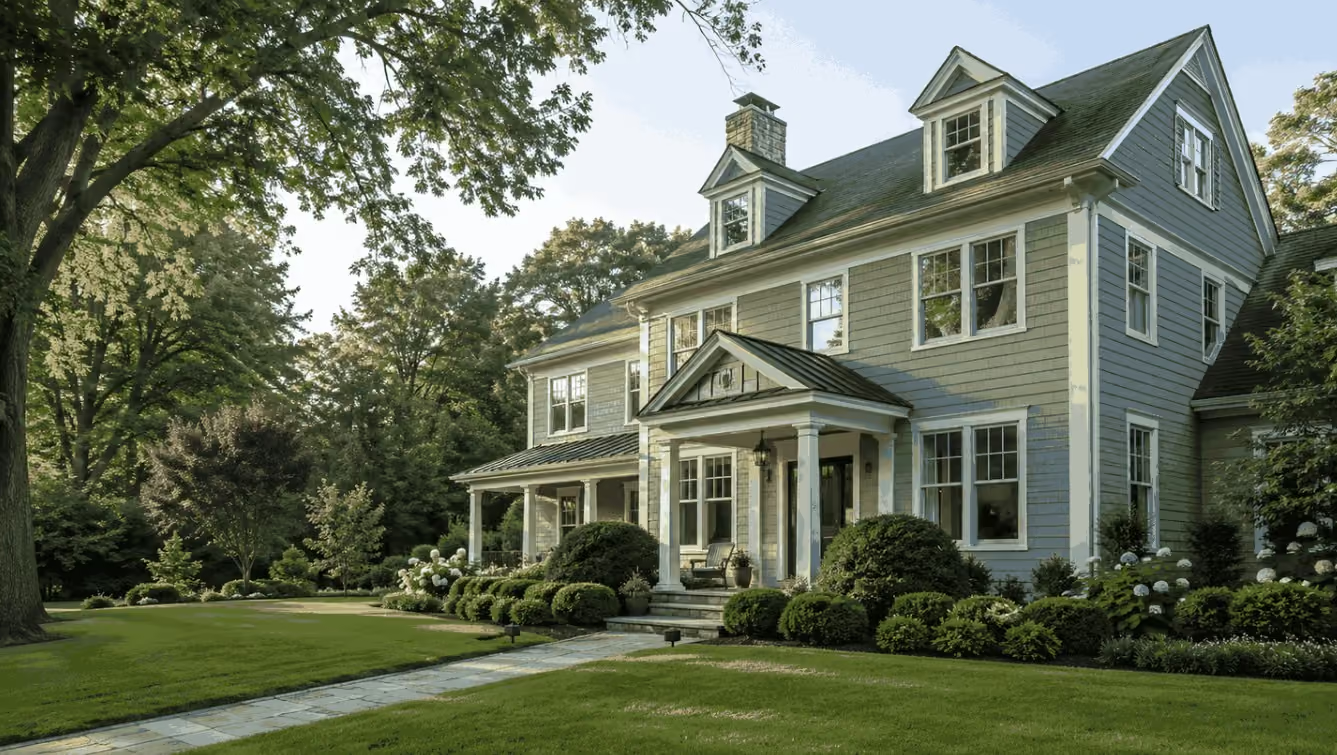
Selling a higher-end home in Andover or North Andover is not simply a matter of making the property look attractive and placing it online.
Serious buyers at a higher price point usually compare properties carefully. They may evaluate condition, location, privacy, architecture, outdoor space, mechanical systems, renovation quality, documentation, and long-term usability before deciding whether a home supports its asking price.
Current citywide market snapshots also show why sellers should avoid treating Andover and North Andover as one identical market. Realtor.com’s June 2026 data reported a median listing price of approximately $1.385 million and a median 31 days on market in Andover. North Andover’s citywide median listing price was approximately $750,000, with a median 25 days on market. These numbers describe each town’s overall market—not the higher-end segment specifically—but they demonstrate meaningful differences in price level, inventory, and market pace. Sellers should therefore evaluate their property against its true local competition rather than relying on broad regional assumptions. lated look at the audience, La Casa Group’s guide to what Andover sellers should know about premium buyers explains why higher-end buyers tend to focus on confidence, lifestyle, location, condition, privacy, and long-term value.
What Does a “Serious Summer Buyer” Look Like?
A serious buyer is not necessarily someone who makes an immediate offer or attends the first open house. In this context, a serious buyer is someone who:
- Has a realistic understanding of the price range
- Has appropriate financing or proof of funds
- Is actively comparing suitable properties
- Understands the location and property type
- Is prepared to complete reasonable due diligence
- Can act when the right home meets their needs
- Is evaluating the home as a complete property, not simply reacting to decorative finishes
Higher-end buyers may search across several communities at once. Someone considering Andover may also compare homes elsewhere in the Merrimack Valley, while a North Andover buyer may consider differences in lot size, architecture, commute, outdoor space, taxes, privacy, condition, and renovation level across nearby towns.
For sellers, this means the listing must make the home’s value understandable. Attractive photography may generate attention, but serious interest usually requires a clear explanation of why the property deserves its position in the market.
Why Should Andover and North Andover Sellers Prepare Differently?
The two communities are geographically close, but their housing inventories are not interchangeable.
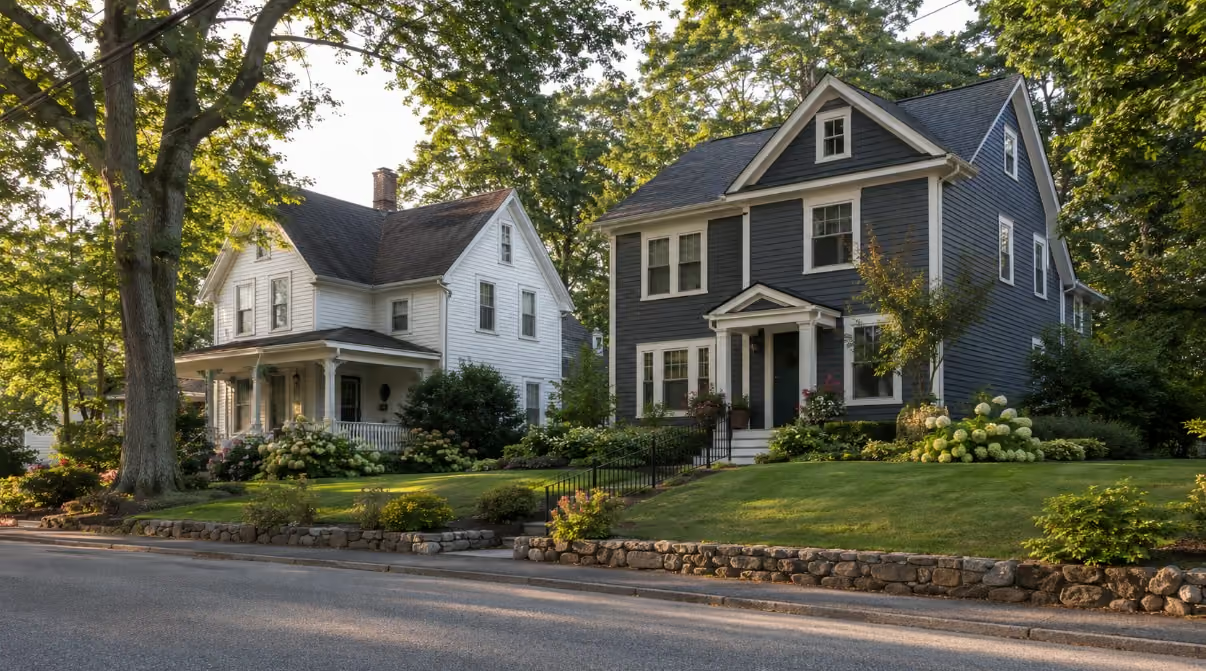
Andover contains a substantial high-value segment, including historic properties, custom residences, extensively renovated homes, larger parcels, and homes positioned around privacy or distinctive architectural features. North Andover also offers higher-end properties, but the relationship between premium homes and the town’s broader market may look different.
The most important thing to know is that “higher-end” should be defined in relation to the property’s local competition—not through one universal price threshold.
A seller should examine:
- Recent sales with genuinely comparable location and quality
- Active listings competing for the same buyer
- Land, privacy, and outdoor features
- Architectural style and construction quality
- Renovation level and consistency
- Age and condition of major systems
- Bedroom and bathroom functionality
- Flexible office, guest, or multigenerational space
- Garage capacity and storage
- Buyer search brackets
- Current time on market for similar homes
The local takeaway is simple: an Andover home and a North Andover home can require different positioning even when their prices appear similar.
How Should Sellers Establish the Right Price and Position?
Pricing should begin before photography, staging, or marketing decisions because the expected price determines which buyers and competing homes matter most.
A stronger pricing review should consider three groups of information.
Recent comparable sales
Closed sales show what buyers have already accepted, but they may reflect market conditions from several weeks or months earlier.
The comparison should account for more than square footage. It should evaluate:
- Location
- Lot characteristics
- Privacy
- Architectural quality
- Renovation level
- Condition
- Outdoor amenities
- System age
- Layout
- Garage and storage
- Sale timing
- Concessions or unusual terms, when known
Current competition
Active listings show what buyers can purchase now.
This is particularly important for a higher-end home because the buyer may compare properties that are not perfect architectural matches but compete for the same budget and lifestyle.
A common mistake is pricing exclusively from past sales while ignoring a more updated or better-positioned property currently available nearby.
The home’s market-ready condition
A seller may have invested heavily in renovations, but renovation cost does not automatically equal market value.
The real question is whether buyers at the target price will recognize and value the work. High-quality, cohesive improvements may support the price. Highly personal or inconsistent renovations may require more careful positioning.
For a broader explanation of premium positioning, review La Casa Group’s article on the difference between selling a standard home and a luxury home.
What Should Be Repaired Before a Higher-End Home Is Listed?
Start with items that can cause buyers to question how the property has been maintained.
These may include:
- Active leaks or visible water staining
- Loose railings, damaged steps, or trip hazards
- Peeling exterior paint
- Cracked or fogged windows
- Damaged flooring or inconsistent transitions
- Nonfunctioning lights, outlets, or fixtures
- Plumbing drips or slow drains
- HVAC concerns
- Unfinished repairs
- Damaged decking or patio surfaces
- Pool, irrigation, generator, or smart-home systems that are not functioning properly
- Strong odors, moisture, or ventilation issues
- Landscaping that blocks windows, paths, or architectural features
The objective is not to make an older home appear new. It is to remove avoidable signs of neglect and reduce uncertainty.
NAR’s 2025 home-staging research found that the most commonly recommended seller improvements included decluttering, whole-home cleaning, and improving curb appeal. NAR also reported that staging frequently helps buyers visualize a property as their future home. These principles apply at every price level, although presentation expectations may be higher for a more expensive property. actical repair-prioritization framework, La Casa Group’s guide to what sellers should fix before listing can also help distinguish buyer-confidence improvements from unnecessary remodeling.
Should Sellers Complete Major Renovations Before Listing?
Not automatically.
Major projects can create value, but they can also introduce cost, delays, permit questions, design risks, and a reduced opportunity to sell during the seller’s preferred timeline.
Before approving a significant project, ask:
- Is the current condition preventing the home from competing at the expected price?
- Do competing listings already offer a noticeably stronger finish level?
- Would a smaller repair or cosmetic update solve the same problem?
- Is the project likely to be completed professionally and on time?
- Will the design appeal to the likely buyer?
- Will the work require permits or inspections?
- Could the project delay photography or launch?
- Is the seller likely to recover enough value to justify the cost?
In many cases, the more practical approach is targeted refinement:
- Neutral paint where needed
- Professional cleaning
- Updated lighting
- Hardware replacement
- Grout and caulking repair
- Floor refinishing in visibly worn areas
- Landscape cleanup
- Window washing
- Fixture repairs
- Furniture editing and staging
- Removal of incomplete do-it-yourself projects
A good next step is to review the property with a local real estate professional before hiring contractors. The preparation plan should be connected to the expected price and buyer—not created in isolation.
How Should the Home Be Prepared for Summer Presentation?
Summer gives sellers an opportunity to show natural light, landscaping, gardens, patios, pools, porches, and outdoor entertaining areas. It also exposes maintenance issues that may be less noticeable during cooler months.
Exterior presentation
The exterior should look maintained rather than excessively decorated.
Review:
- Lawn condition
- Mulch and planting beds
- Overgrown trees or shrubs
- Walkways and steps
- Siding and trim
- Gutters and downspouts
- Exterior lighting
- Driveway condition
- Patio and deck surfaces
- Fences and gates
- Pool areas and equipment
- Outdoor furniture placement
- Irrigation performance
- Visible drainage concerns
Large outdoor spaces should be photographed and staged so buyers understand how they can be used. A large patio with poorly arranged furniture can feel less valuable than a modest but clearly defined dining and seating area.
Interior comfort
Summer buyers notice temperature, humidity, airflow, odors, and natural light.
Before showings:
- Test air-conditioning and zone controls
- Replace visibly dirty filters
- Confirm ceiling fans operate correctly
- Keep indoor temperatures comfortable
- Clean windows and screens
- Open appropriate shades and curtains
- Address basement or lower-level moisture
- Avoid strong artificial fragrances
- Use interior lighting to supplement—not compete with—natural light
The experience should feel effortless. Buyers should not be distracted by a hot upper floor, dark hallway, strong basement odor, or noisy mechanical system.
How Should a Higher-End Home Be Staged?
Staging should clarify architecture, scale, flow, and lifestyle.
It should not bury the property beneath decorative accessories.
Focus on the rooms most likely to influence the buyer’s decision:
- Main living area
- Kitchen
- Primary bedroom
- Primary bathroom
- Dining or entertaining areas
- Home office
- Guest or multigenerational spaces
- Finished lower level
- Outdoor living areas
- Mudroom, garage, and storage when these are major selling features
Furniture should demonstrate room scale without restricting movement. Large rooms need enough furniture to feel intentional, while smaller rooms may need editing so their usable space is visible.
Personal collections, excess family photographs, valuables, sensitive documents, medications, and identifying information should be removed before photography and showings.
One useful principle is:
“Higher-end staging should clarify how the home lives—not attempt to make every property look like the same luxury showroom.”
What Documentation Should Be Ready Before Serious Buyers Arrive?
Documentation can be an important confidence-building tool, especially when the property includes extensive renovations, specialty systems, custom construction, land, pools, generators, solar equipment, wells, septic systems, or other features that may require additional due diligence.
Prepare available records for:
- Major renovations
- Building permits
- Electrical, plumbing, gas, and mechanical work
- Roof installation
- HVAC installation and servicing
- Generator service
- Pool maintenance
- Septic or well information, when applicable
- Solar ownership or lease terms
- Smart-home systems
- Security systems
- Irrigation
- Appliances included in the sale
- Warranties
- Floor plans
- Property surveys
- Utility history, when appropriate
- Vendor or service contacts
- Inclusions and exclusions
Andover property owners can review the town’s Online Permit Center, which provides access to applications for building, electrical, gas, plumbing, and mechanical permits. North Andover owners can begin with the town’s Building Department and online permit resources. These official resources can help sellers identify where local permit information may be reviewed before publication or buyer due diligence. should not claim that work was permitted unless the documentation supports that statement. Any uncertainty should be discussed with the appropriate town department, attorney, contractor, or listing professional.
How Should the Property Be Photographed and Marketed?
The first serious showing frequently happens online.
A strong higher-end marketing package may include:
- Professional interior and exterior photography
- Carefully timed twilight photography when appropriate
- Drone images when they meaningfully explain land, setting, privacy, or location
- Floor plans
- Video
- A 3D tour when helpful for out-of-area buyers
- Detailed listing copy
- Accurate room and feature descriptions
- A dedicated property page
- Agent-to-agent outreach
- Targeted digital distribution
- Print collateral when it supports the likely audience
- A clear plan for protecting sensitive property details
The strongest visual package is not always the one with the most images. It is the one that explains the property clearly.
Photography should establish a logical sequence:
- Exterior arrival
- Entry and primary living spaces
- Kitchen and entertaining areas
- Bedrooms and bathrooms
- Flexible or specialty rooms
- Lower-level spaces
- Outdoor living
- Land, setting, or neighborhood context when appropriate
The listing description should explain why features matter. Instead of merely listing “office, patio, and finished basement,” it can explain how the layout supports remote work, guest use, entertaining, or multigenerational flexibility—provided those descriptions remain accurate and fair-housing compliant.
Should Higher-End Sellers Require Buyer Qualification?
A qualification plan may be appropriate, but it should not create unnecessary barriers for legitimate buyers.
Depending on the property, the seller and listing agent may discuss:
- Lender pre-approval
- Proof of funds
- Confirmation that the buyer is working with a licensed agent
- Appointment-only showings
- Advance notice requirements
- Guided showings
- Security and privacy procedures
- Restrictions on photography or recording
- Handling of valuables and confidential materials
The goal is not to make the home difficult to tour. The goal is to protect the property and seller while creating a professional experience for credible buyers.
Some homes may benefit from a public open house. Others may be better served by scheduled private showings or a controlled broker event. The right decision depends on the property, privacy needs, location, price, buyer pool, and launch strategy.
How Can Sellers Prepare for Inspection and Due Diligence?
Higher-end buyers may request broader or more specialized evaluations.
Depending on the property, due diligence may include:
- General home inspection
- Structural evaluation
- Roof inspection
- HVAC review
- Electrical or plumbing evaluation
- Pool inspection
- Septic or well testing
- Chimney inspection
- Environmental review
- Generator or solar-system documentation
- Radon, mold, pest, or water testing
- Survey, easement, or boundary review
- Permit and property-record review
Sellers do not necessarily need to order every inspection before listing. They should, however, understand the property’s likely areas of buyer concern and prepare for reasonable questions.
A pre-listing review can help identify visible issues, missing records, systems nearing the end of their expected life, or repairs that could complicate negotiations.
The most useful preparation is honest preparation. Concealing a problem can damage trust and may create legal risk. Sellers should discuss disclosure and documentation questions with their licensed real estate professional and Massachusetts real estate attorney.
What Are the Most Common Higher-End Seller Mistakes?
Pricing from emotion or renovation cost
A home’s meaning to the seller is real, but buyers compare it with other available choices. Pricing should reflect the market position the property can credibly support.
Renovating without a buyer-focused plan
A major project may consume time and money without changing how the buyer values the home.
Using generic marketing
Higher-end properties often need a stronger explanation of architecture, setting, land, layout, renovation quality, and lifestyle.
Overstaging
Too much furniture or decoration can hide scale and distract from craftsmanship.
Ignoring records and permits
Missing information can create hesitation when a buyer begins due diligence.
Restricting showings excessively
Privacy matters, but unnecessary scheduling difficulty can cause qualified buyers to move toward another property.
Assuming every affluent buyer will overlook value
Financially capable buyers can still be highly analytical. They may pay a premium when the property supports it, but they usually want the value to be clear.
Waiting until photography week to prepare
Landscaping, repairs, cleaning, staging, documentation, and marketing decisions should be planned before the photographer is scheduled.
What Should Sellers Do During the Two Weeks Before Launch?
Days 14–10: Strategy and condition
- Complete the pricing and competition review
- Define the likely buyer
- Identify the home’s strongest value story
- Decide which repairs are essential
- Review permits and available records
- Schedule cleaning, landscaping, staging, and photography
Days 9–6: Repair and organize
- Complete approved repairs
- Deep clean the property
- Remove excess furniture and personal items
- Organize closets, garage, basement, and utility areas
- Assemble system records and warranties
- Confirm inclusions and exclusions
Days 5–3: Presentation
- Finish landscaping
- Wash windows
- Arrange outdoor furniture
- Complete staging
- Test lighting, cooling, smart-home features, pool equipment, and irrigation
- Remove valuables and confidential materials
Days 2–1: Marketing readiness
- Complete photography, video, floor plans, or drone work
- Review the listing description for accuracy
- Confirm showing instructions
- Verify property facts
- Confirm seller availability and communication procedures
- Prepare the property for its first buyer appointments
This timeline may need to be expanded for substantial repairs, permit research, estate-owned properties, trusts, tenant-occupied homes, or complex specialty systems.
What Is the Best Next Step for an Andover or North Andover Seller?
A good next step is a property-specific pricing and preparation review before committing to renovations or selecting a launch date.
That conversation should answer:
- Which homes are the true competition?
- What buyer is most likely to value the property?
- Which repairs should be completed?
- Which updates can be skipped?
- How should the home be staged?
- What documentation is missing?
- What price range can be supported?
- Which marketing assets are necessary?
- Should showings be public, private, or appointment-based?
- What summer features deserve priority?
- What risks could affect inspection, appraisal, or negotiation?
La Casa Group’s Selling page outlines its approach to valuation, preparation, professional marketing, negotiation, and closing. Sellers evaluating representation may also review questions to ask a listing agent before choosing a strategy.
La Casa Group’s Local Perspective
For higher-end Andover and North Andover sellers, preparation should create clarity.
The home’s price, condition, marketing, and showing experience should tell the same story. A beautifully photographed home can still struggle if the price is difficult to support, important maintenance concerns are visible, or the listing does not explain what makes the property distinctive.
“Serious buyers do not need a home to be perfect. They need enough clarity and confidence to understand why it is worth pursuing.”
“Higher-end preparation is not about making the property look more expensive. It is about presenting its real value with greater precision.”
La Casa Group helps buyers and sellers across Northern Massachusetts and Southern New Hampshire evaluate pricing, preparation, marketing, and next steps. For North Andover context from the buyer’s perspective, sellers can also review what buyers should know before moving to North Andover.
If you are considering selling, a preparation conversation before spending money can help identify which improvements support buyer confidence and which projects may not be necessary.
Frequently Asked Questions
What do serious higher-end buyers look for in Andover and North Andover?
They commonly evaluate condition, location, privacy, architecture, land, outdoor living, renovation quality, mechanical systems, flexible living space, documentation, and whether the price is supported by comparable properties and active competition.
Should I renovate my kitchen before selling a higher-end home?
Not automatically. Review the kitchen against competing homes at the expected price. Cleaning, lighting, paint, hardware, repairs, and professional staging may be enough unless the current condition significantly limits the home’s market position.
Is summer a good time to photograph an Andover-area home?
Summer can be valuable for showing landscaping, natural light, patios, pools, gardens, porches, and outdoor entertaining areas. The property should be photographed when the lawn, plantings, lighting, and exterior surfaces are ready—not simply because the calendar says summer.
Do I need professional staging for a higher-end property?
Not every home requires rented furniture or full staging. Most benefit from a professional evaluation of furniture placement, scale, clutter, lighting, color, personal belongings, and how clearly each major room communicates its purpose.
Should every buyer be required to provide proof of funds?
That depends on the price, property, privacy concerns, and showing strategy. Qualification procedures should protect the seller while remaining practical for legitimate buyers. Discuss the appropriate standard with the listing agent before the property goes live.
How early should I begin preparing my Andover or North Andover home?
Begin several weeks before the intended photography date when possible. Properties requiring repairs, landscaping, staging, permit research, estate documentation, or specialty-system servicing may require a longer preparation period.
Contact La Casa Group
Cinthia Ulloa
La Casa Group
Brokered by KW Metropolitan
Office Phone: 603-232-8282
Mobile Phone: 603-945-2337
Website: https://www.lacasagroup.com
Office Address: 168 South River Road, Bedford, NH 03110
Se habla español. La Casa Group can assist Spanish-speaking buyers and sellers.
A practical next step is to contact La Casa Group for a property-specific conversation about price, preparation, summer presentation, and listing strategy.
.avif)